A Warm-Up Is a Change of Pace, Not a Smaller Workout
A warm-up is a change of pace, not a smaller workout: use easy movement and attention cues to settle into a home session without turning it into a test.

The common warm-up mistake is starting with a miniature version of the workout: fast squats before strength work, hard jogging before a run, or deep stretches before the body has had a chance to settle. That can make the opening feel like another task to pass, and leave you less willing to begin. A warm-up is a change of pace, not a smaller workout. Its job is to help you shift from whatever came before into the session you actually planned.
Choose the transition
Before you move, notice how you are arriving. You might be coming in from a chilly walk, stepping away from a desk, or finishing a busy stretch of household jobs. The useful starting point is not a score of how ready you feel; it is a simple observation about what would make the first part of your session feel less abrupt.
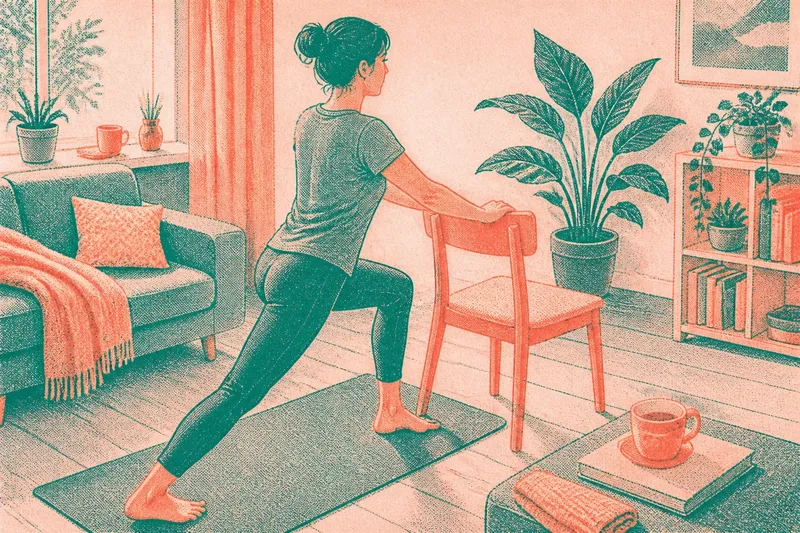
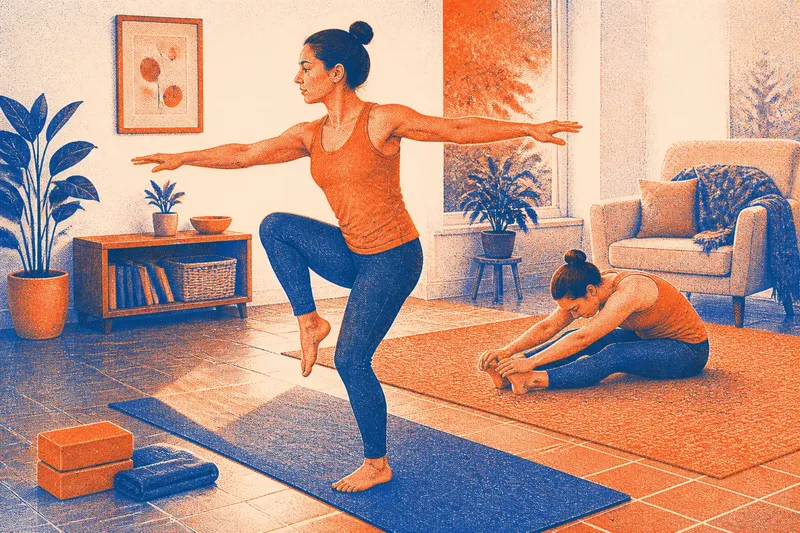
Set out only what you need for the main session. If you are planning bodyweight strength work, clear a comfortable patch of floor and have a chair nearby if it is part of your plan. For a mobility session, leave room to stand, turn and reach. Keeping the warm-up connected to the space and equipment you will use makes the transition feel continuous rather than like a separate workout.
Choose a modest opening pace. You should be able to breathe comfortably and change the movement without rushing. This is not a rule about how your body must feel; it is a way to keep the warm-up distinct from the harder or more focused work that may follow.
Start with easy motion
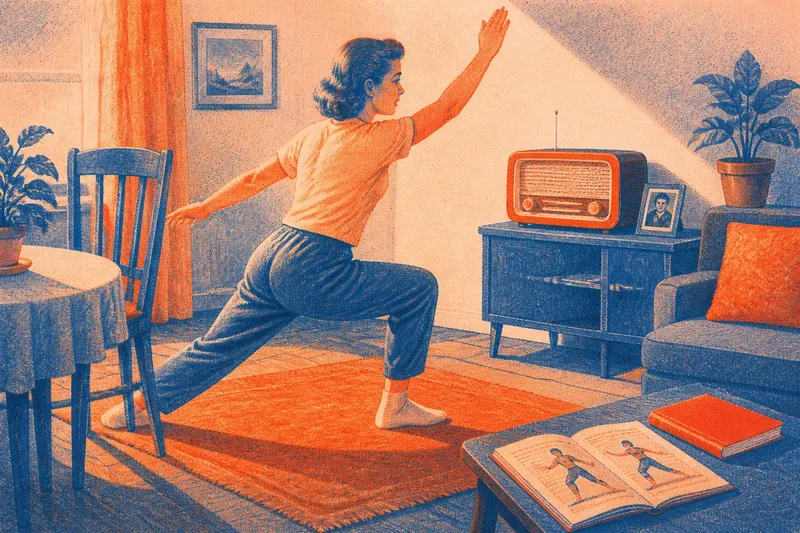
Begin with familiar movements that let several parts of the body join in. You could walk around the room, march gently on the spot, roll your shoulders, or reach one arm at a time towards the ceiling. Keep the motion easy enough that you can pay attention to how it feels instead of concentrating on completing repetitions.
Let the movements grow out of the session ahead. Before a brisk indoor walk, an unhurried walk through the hallway is a natural beginning. Before a session with standing exercises, try gentle weight shifts from one foot to the other. Before upper-body work, let the arms swing loosely, then add comfortable reaches. These are invitations to move, not a test of range or control.
Change one thing at a time. You might make a walk slightly more purposeful, or reach a little farther if that feels comfortable. There is no need to make every movement bigger, quicker and more complicated. A gradual change in pace is often easier to notice when the rest stays simple.
Follow attention, not a score
Use the warm-up to bring your attention into the room and into the movement. Notice whether your feet feel settled on the floor, whether your shoulders are held high, or whether you are still mentally answering messages. You do not need to correct every sensation. Choosing one small cue, such as letting your arms swing freely, is enough to give the session a point of focus.
Breathing can be another quiet cue. Let it remain natural as you move. If you notice yourself holding your breath or hurrying to keep up with an imagined count, ease back and choose a simpler movement. The aim is not to control each breath; it is to avoid turning the opening into a performance exercise.
Keep the warm-up flexible. A routine remembered from one day may not suit another, and a fixed sequence can distract you from what is happening now. You can change from marching to walking, pause briefly to adjust the space, or leave out a movement that feels awkward. Those choices do not mean you have failed to warm up.
Let the session begin
Move into the main activity while the pace is still comfortable. If the first exercise is a chair squat, for instance, begin with the version and effort you had planned rather than turning the warm-up into a string of increasingly demanding squats. If you are walking outdoors, let the first stretch of the route stay easy before settling into your intended pace.
There is no single signal that tells everyone when to move on. You may feel less distracted, more familiar with the movement, or simply ready to start the planned activity. If you are unsure, choose an easy first part of the session and adjust as you go. The warm-up does not have to end with a dramatic change.
Say you have just closed a laptop and want to do a short standing strength session. Imagine clearing the chair from your path, walking slowly around the room, then making a few relaxed shoulder rolls and gentle side-to-side weight shifts. Once your attention has moved away from the screen and the first exercise feels less abrupt, you begin with the planned session at its ordinary opening pace. The observable change is not a score; it is that you have shifted from sitting and thinking to moving with intention.
Common warm-up questions?
How long should a warm-up last?
There is no universal duration that suits every activity or day. Keep it long enough to make the transition feel manageable, then begin the session with an easy opening rather than adding movements just to fill time.
Should a warm-up make me sweat?
Not necessarily. A warm-up can be useful while remaining gentle; sweating is not a pass mark, and trying to produce it can turn the opening into extra exercise.
Can I stretch before exercise?
Comfortable, unforced movements can help you settle into a session, but the warm-up need not centre on stretching. Choose movement that fits what you are about to do, and avoid pushing into discomfort.
What if I feel stiff or uncomfortable?
Make the movement smaller, slower or simpler, and stop if discomfort becomes concerning. For persistent pain, a health condition or questions about what activity is appropriate, ask a qualified health professional for advice suited to you.
Keep it uncomplicated
It is not worth building a long ritual around the warm-up, buying special equipment for it, or memorising a sequence you do not enjoy. A clear bit of space, comfortable clothes and movements that relate to your session are usually enough to make the opening feel deliberate.
Follow any relevant equipment instructions or professional guidance for your own situation; those details can affect which movements are suitable. Otherwise, keep the approach responsive: start gently, give your attention a simple place to land, and let the main activity take over when you are ready.
A warm-up is a change of pace, not a smaller workout, and that distinction can make starting feel less like another demand. When the opening is easy to adapt, you can use the same idea after a desk-bound morning, before a strength session, or on a day when you simply need a calmer entry into movement.